
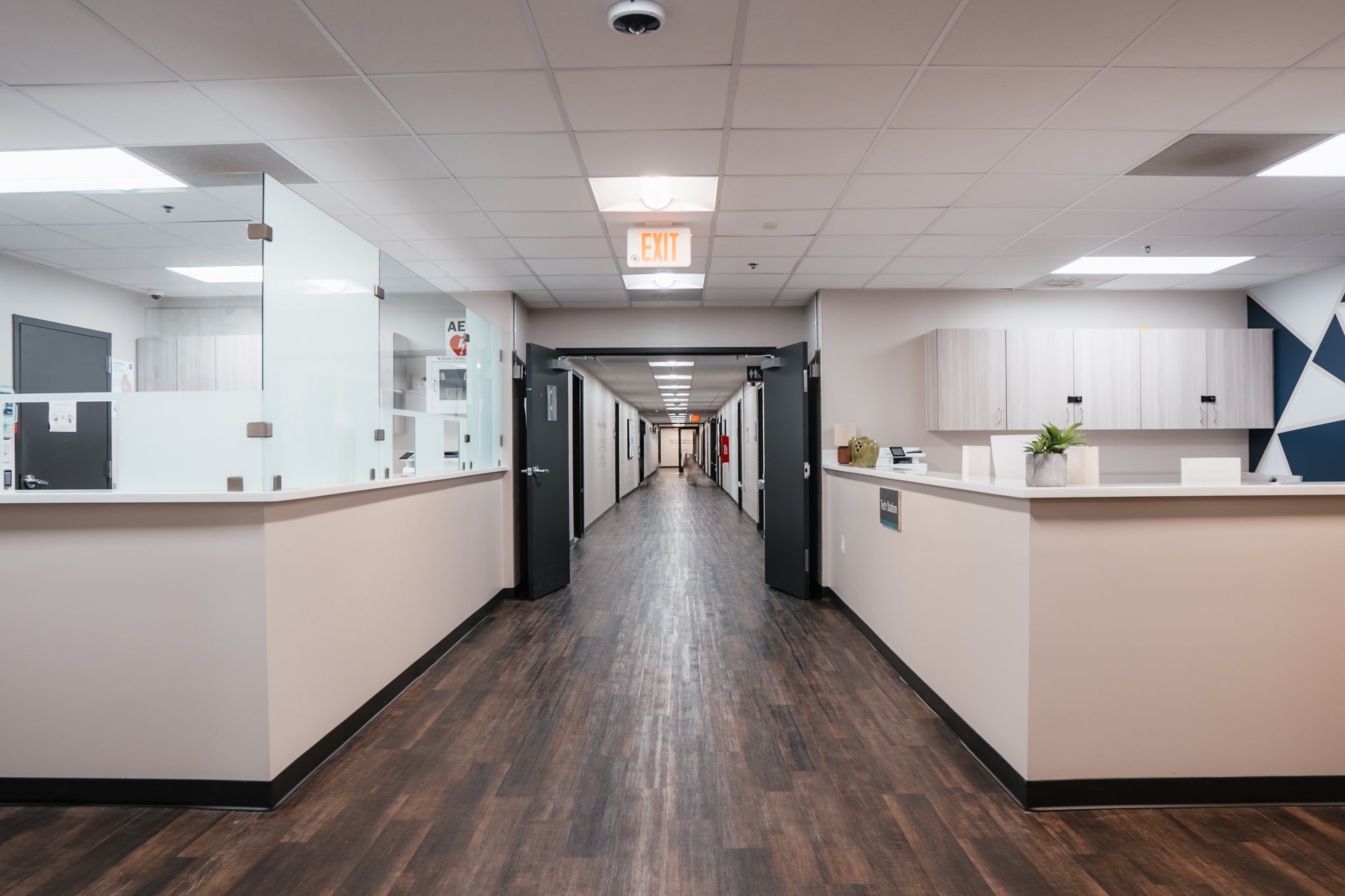
Residential care means living at the treatment center, usually for a period of weeks, with nursing, therapy, meals, and sleep all on the same grounds. NIAAA describes it as treatment in a 24-hour setting. It removes the commute, the bar on the way home, the argument at the kitchen table, and the phone that never stops, so the work of treatment has room.




Within the network, residential mental health care runs at Arbor Wellness in Brentwood, off I-65 about 20 minutes south of downtown Nashville, and at Kingston Wellness Retreat in Bartow County, a little over an hour northwest of downtown Atlanta. Residential care for substance use follows detox on the same campus at Music City Detox in Madison. When withdrawal is part of the picture, the question of where detox ends and residential treatment begins comes first.
Medical detox is often the first level of care for individuals who have developed physical dependence on alcohol, opioids, benzodiazepines, or other substances. During medically supervised detox, healthcare professionals monitor withdrawal symptoms, manage complications, and provide medications when appropriate to help patients stabilize safely.
Withdrawal can range from uncomfortable to life-threatening, depending on the substance, frequency of use, medical history, and other health factors. Alcohol and benzodiazepine withdrawal can be particularly dangerous without medical supervision, while opioid withdrawal may cause significant physical discomfort and increase the risk of returning to substance use.
Unlike residential treatment, which focuses on the behavioral and psychological aspects of addiction, medical detox primarily addresses the immediate physical effects of stopping or reducing substance use. Detox typically lasts several days, although the timeline varies based on individual needs.
Within the Evoraa network, medically supervised detox services are available through Music City Detox in Madison, Tennessee. This facility also offers residential addiction treatment, helping patients transition into continued care when appropriate.
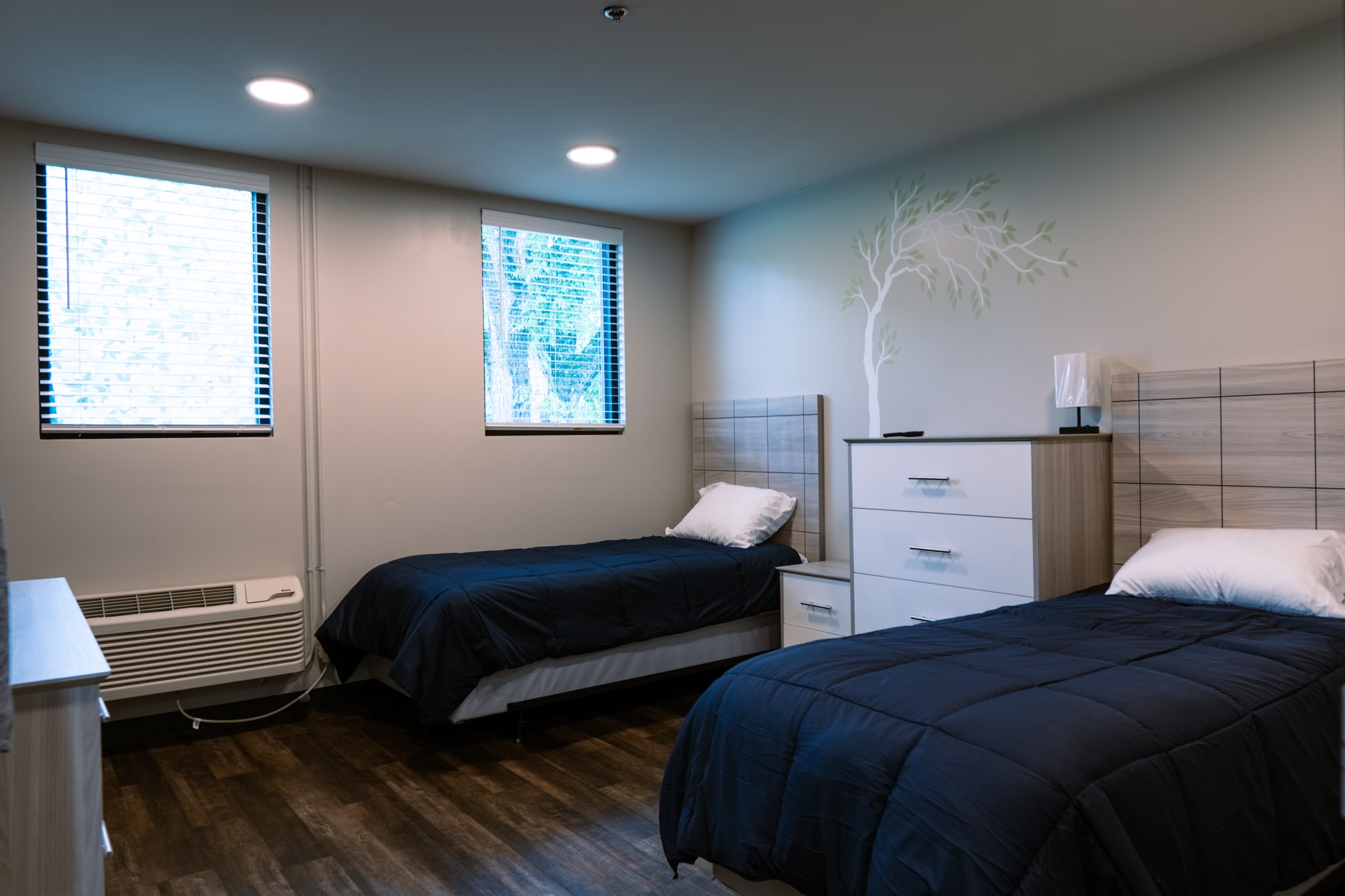

Detox helps individuals manage withdrawal and achieve medical stability, but it does not address all the underlying factors that contribute to addiction. Once withdrawal symptoms are stabilized, continued treatment can help individuals develop coping skills, address mental health concerns, and reduce the risk of returning to substance use.
For some individuals, the next step is residential treatment, where they receive structured therapy and around-the-clock support. Others may be ready to transition into a partial hospitalization program (PHP) or intensive outpatient program (IOP), depending on their clinical needs, recovery environment, and available support.
At Evoraa Health, our continuum of care helps individuals move between appropriate treatment levels as their needs change. Planning the next step before detox ends can reduce gaps in care and provide greater continuity throughout the recovery process.
For a closer look at how these treatment stages differ, explore our Detox vs. Residential Treatment guide.



The information on this page is for educational purposes only and is not a substitute for professional medical advice, diagnosis or treatment. If you are experiencing a medical emergency, call 911.