
The intensive outpatient program (IOP) offered through Evoraa Health provides comprehensive and personalized mental health and addiction treatment for individuals who require a higher level of care than traditional outpatient therapy.
Our program offers a structured and supportive environment to help people achieve improved mental health and long-term sobriety.

Evoraa offers intensive outpatient treatment options designed for both substance use disorders and primary mental health needs. While both provide structured care without requiring residential treatment, the clinical focus and treatment approach differ based on the individual's needs.
An substance use intensive outpatient program (IOP) is a structured treatment program that provides therapy, counseling, education, and support for individuals struggling with addiction. Substance use IOPs allow participants to live at home or in a sober living facility while attending sessions several times a week for a few hours each day.
This level of care offers flexibility and accessibility for those who need intense treatment but want to maintain their daily responsibilities. Substance use IOPs often include individual therapy, group therapy, medication management, and other therapeutic interventions tailored to each person’s specific needs.
Substance Use IOP
Day and Evening IOP – Structured support that works with your schedule.
Substance Use Residential Treatment
Structured support for substance use, dependence, and more.
Substance Use Dual Diagnosis Treatment
Integrated care for co-occurring mental health and substance use.
A mental health intensive outpatient program (IOP) is a structured treatment program that provides therapy, counseling, education, and support for individuals struggling with mental health issues and addiction. Mental health IOPs allow participants to live at home or in a sober living facility while attending sessions several times a week for a few hours each day.
This level of care offers flexibility and accessibility for those who need intense treatment but want to maintain their daily responsibilities. Mental health IOPs often include individual therapy, group therapy, medication management, and other therapeutic interventions tailored to each person’s specific needs.

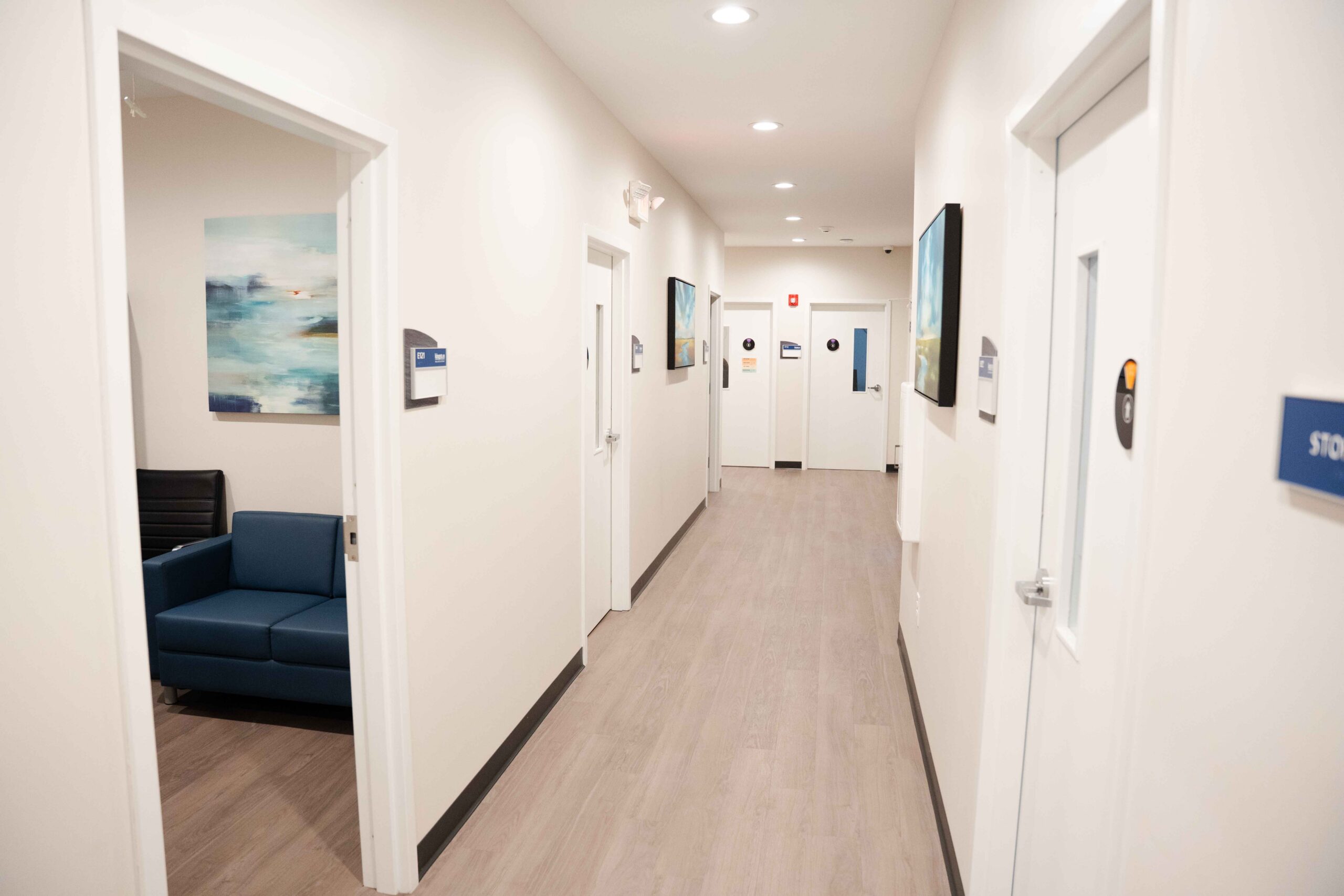
Intensive outpatient programs (IOPs) and residential treatment both provide structured behavioral health support, but they differ in the level of care and supervision they provide. IOP allows individuals to participate in scheduled therapy and clinical services while continuing to live at home, making it appropriate for those who are stable enough to manage daily life outside of treatment.
Residential treatment provides a more intensive level of support in a live-in setting with around-the-clock structure and access to care. It may be appropriate for individuals experiencing more severe or persistent symptoms, those who need greater stability before transitioning to outpatient care, or those who have not made sufficient progress with a lower level of treatment.
The right level of care depends on each person’s symptoms, safety, support system, treatment history, and clinical needs. Some individuals may begin with residential treatment and transition to IOP as they gain stability, while others may be able to begin treatment at the outpatient level.
Not sure which level of care is right for you or a loved one? Evoraa Health can help assess your needs and connect you with an appropriate treatment program. Learn more about Residential Treatment or contact our admissions team to discuss your options.



Structured, Flexible Care
IOP provides scheduled clinical support while allowing participants to maintain appropriate work, school, family, and daily responsibilities.


Individual Therapy

Group Therapy

Psychiatry & Medication Management

Holistic Therapies (yoga, mindfulness, art therapy)

Recreational & Wellness Activities

Relapse Prevention Planning

Life Skills Development

Compassion

Individualized Treatment

Clinical Excellence

Integrity & Trust

Empowerment
An Substance Use or Mental Health IOP is an appropriate fit for individuals requiring structured treatment and support for mental health or substance use issues but do not need 24/7 care provided by inpatient programs or the level of intensity found with partial hospitalization programs (PHPs). Other criteria that might make an IOP an appropriate fit include:
Both IOP and a partial hospitalization program (PHP) provide structured treatment without requiring participants to live at a treatment facility. The primary difference is the intensity and time commitment involved.
PHP generally provides more frequent and intensive programming, making it appropriate for individuals who need substantial daily support but do not require residential care. IOP typically involves fewer treatment hours and offers greater flexibility for work, school, family, and other responsibilities.
Some individuals may transition from PHP to IOP as their symptoms stabilize and they require less intensive support.
In many cases, yes. One of the advantages of IOP is that treatment can provide structured clinical support while allowing participants to continue appropriate work, school, family, and daily responsibilities.
Program schedules and treatment requirements vary, however, and the ability to continue working depends on the individual’s clinical needs, work schedule, and specific IOP. During the admissions process, the treatment team can help determine whether a particular program and schedule are appropriate.
The length of an intensive outpatient program varies based on the individual’s needs, progress, diagnosis, treatment goals, and recommended level of support. Some programs may last several weeks, while others may continue longer when clinically appropriate.
Throughout treatment, progress is reviewed so the care plan can be adjusted as needed. As individuals gain stability and meet treatment goals, they may transition to a less intensive level of outpatient care. Evoraa’s current page gives a typical range of 4–12 weeks, so you could retain that range if it accurately reflects the programs across the Evoraa network
Yes. IOP may be appropriate for some individuals experiencing both a mental health condition and a substance use disorder. This is often referred to as a dual diagnosis or co-occurring disorder.
Integrated treatment can address both concerns together rather than treating them as unrelated problems. Depending on the individual’s needs and program, care may include individual and group therapy, psychiatric support, medication management, relapse-prevention planning, and other evidence-based services.
Because co-occurring conditions can vary significantly in severity, an assessment is important for determining whether IOP provides enough support or whether a higher level of care is recommended.