
Detox gets the body through withdrawal safely. Residential treatment is where a person works on what drove the use and practices staying well. Most people who need the first also need the second, and the days between them carry more risk than either one.
The question usually comes on day three or four. The shaking has stopped, the person in the detox bed is eating again, and someone in the family asks the reasonable thing: is that it? Can they come home now? On Gallatin Pike in Madison or along GA-54 in Fayetteville, the families who ask it are often the same people who drove through the night to get their son, sister, or spouse admitted in the first place.The answer is that detox and treatment are two different jobs. Medically supervised detox finishes when the body is stable. Residential treatment starts with a person who feels physically better but still carries the reasons they were using.
Federal clinical guidance describes detox in three parts: evaluation, stabilization, and fostering entry into treatment. Evaluation means finding out what was used, how much, how recently, and what else is going on medically. Stabilization means getting the person safely through withdrawal with medication and monitoring. The third part is getting them into treatment, and without it, the first two often do not hold.
The National Institute on Drug Abuse is direct about the limit: detoxification is not the same as treatment, and detox alone, without treatment afterward, generally leads to a return to drug use. Detox does its own job well, which is getting the body safely through withdrawal. It was never meant to address the depression, the trauma, the marriage, the job stress, or the habits of thought that kept the substance in place.
In a medically monitored detox unit, nursing and medical staff track vital signs and withdrawal symptoms on a schedule, adjust comfort medications, and watch for complications. NIAAA describes this level of care as medically directed, 24-hour services that may manage withdrawal. When it is clinically appropriate, medication for opioid or alcohol use disorder, such as buprenorphine or naltrexone, can begin during the stay rather than after it.

Not everyone needs medical detox. Whether someone does depends far more on the substance and the pattern of use than on how bad things look from the outside.

Heavy Daily Drinking

Opioids, Including Fentanyl

Long-Term Benzodiazepine Use

More Than One Substance
Stimulants such as cocaine or methamphetamine work differently. Stopping them rarely causes dangerous physical withdrawal, but the crash can bring exhaustion and a heavy, sometimes frightening low mood. Some people who use stimulants start directly in residential care without a detox stay. If you are not sure which group applies, that uncertainty is itself a reason to ask before stopping alone.
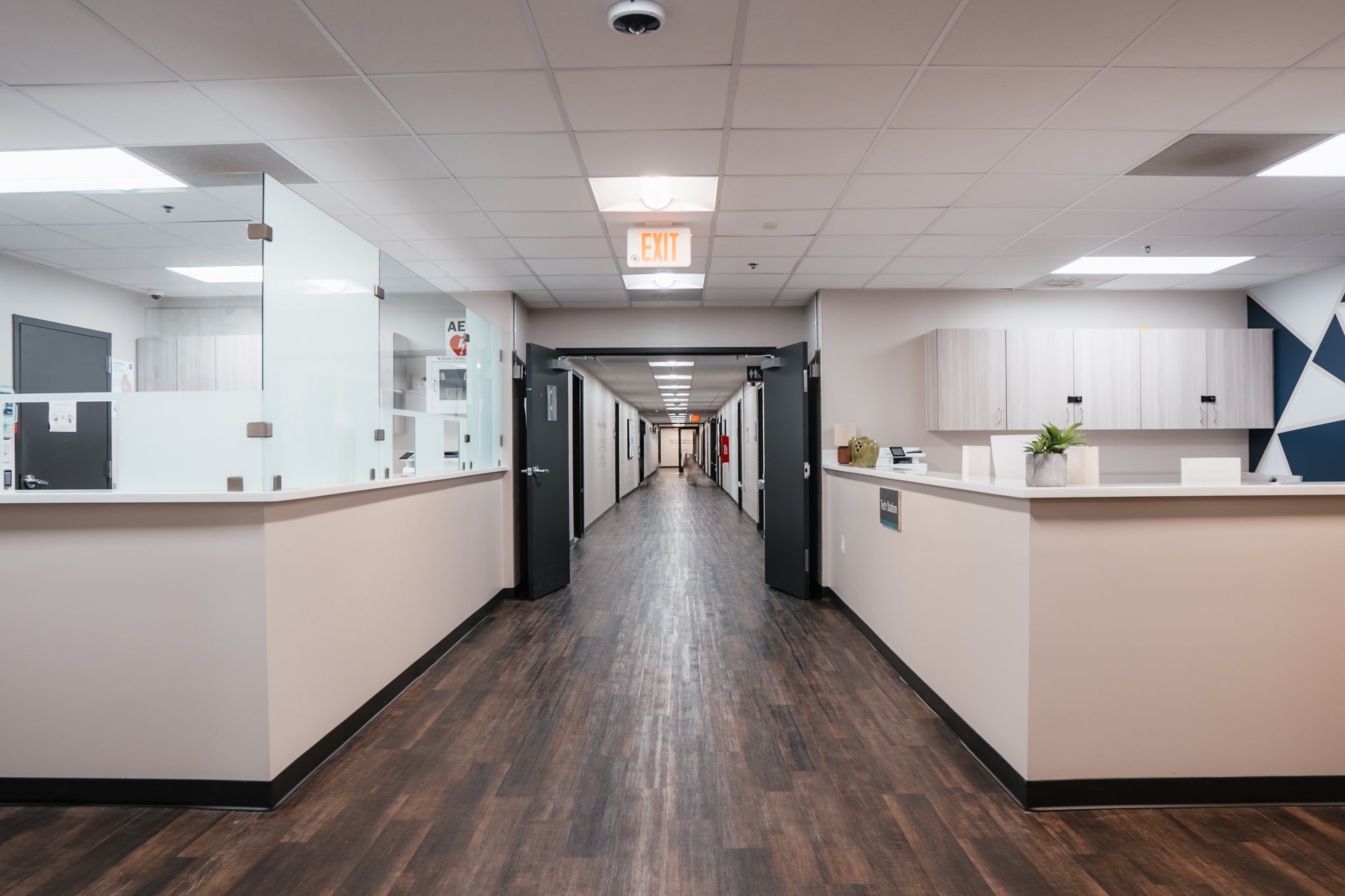
There is no single moment, but clinicians look for a cluster of signs. Vital signs have settled. Withdrawal scores, measured on standardized checklists rather than guessed at, have dropped and stayed down. The person is eating, sleeping some, and able to follow a conversation and sit through a group session. Any medication plan, such as buprenorphine for opioid use disorder, is underway.
At that point the physical risk that justified detox has passed, but everything the ASAM Criteria looks at beyond withdrawal is still on the table: mental health, the risk of returning to use, and whether the home is a safe place to recover. Detox has handled the first of those questions. Treatment has to handle the rest.
A few days without opioids lowers a person’s tolerance, and NIDA warns that someone who goes back to the amount they used before can easily overdose, because the body is no longer adapted to it. The days right after a detox discharge, when everyone has started to relax, can be some of the most dangerous of the whole illness.
Two things reduce that risk. The first is a next step that starts right away instead of after a waitlist. At Music City Detox on Cumberland Way in Madison, residential treatment for substance use runs on the same campus as detox, so the move from one to the other can happen without a discharge home in between. The second is naloxone, a medicine that reverses an opioid overdose. Both Tennessee and Georgia make it available at pharmacies without a prescription, and keeping it in the house is a sensible precaution for anyone with an opioid history.


Residential care is a common step after detox, but not the only one. Someone with a stable, sober home, a job that can flex, and no serious mental health crisis may move straight into a partial hospitalization program, a full treatment day on weekdays with nights at home. Others step into an intensive outpatient program of about three hours a day. For people in metro Atlanta, Peachtree Recovery Solutions in Peachtree Corners pairs substance use day treatment with structured sober apartments, and Nashville Treatment Solutions on Jefferson Street offers a housing track in Nashville.
When the main problem turns out to be a mental health condition, with substance use as a symptom of it, the better next step may be residential mental health care at Arbor Wellness in Brentwood or Kingston Wellness Retreat in Bartow County. A side-by-side look at residential, PHP, and IOP lays out how those three compare once detox is behind you.
Detox is measured in days. Alcohol and short-acting opioids usually take several days, while benzodiazepine tapers run longer because going faster brings back the seizure risk. Residential treatment is measured in weeks. ASAM pushes for treatment length that follows a person’s progress rather than a preset number, so both stays are reviewed as they go, by the clinical team and usually by the insurer as well.
From Hendersonville, Music City Detox is about 15 to 20 minutes down Gallatin Pike. Families who live close enough to visit can stay involved through both stages, which is worth weighing when the choice of campus is still open.

For most people, no. Detox clears the substance and gets the body through withdrawal safely, but it does not address the reasons for using or build the skills to stay stopped. National guidance is clear that detox without treatment afterward usually ends in a return to use. Planning the next step, whether residential care or a day program, before detox ends is the safest approach.
Yes, if they are not physically dependent on a substance that causes dangerous withdrawal. People who use stimulants or cannabis, or who stopped drinking some time ago, often start directly in residential care. Anyone who drinks heavily every day or takes benzodiazepines regularly should not stop on their own, because withdrawal from either can cause seizures. The admissions assessment sorts out which path is safe.
At both of Evoraa’s detox campuses, yes. Music City Detox in Madison, Tennessee, and Peachtree Detox in Fayetteville, Georgia, each provide residential substance use treatment on the same campus. That means the move from detox into treatment can happen without going home in between, which closes the riskiest gap in early recovery. Insurance is checked separately for each facility, so coverage should be confirmed before admission.

Detox: Medical management of withdrawal. Measured in days, focused on the body.

Residential treatment: Live-in care measured in weeks, focused on the patterns, triggers, and conditions underneath the substance use.

Who needs detox first: Anyone physically dependent on alcohol, benzodiazepines, or opioids, and anyone unsure. Stopping some substances cold can cause seizures.

Where it goes wrong: Leaving after detox with no next step. Tolerance has dropped, so a familiar dose can now cause an overdose.

Not always residential next: Some people step from detox straight into a day program. The assessment decides.
The information on this page is for educational purposes only and is not a substitute for professional medical advice, diagnosis or treatment. If you are experiencing a medical emergency, call 911.